
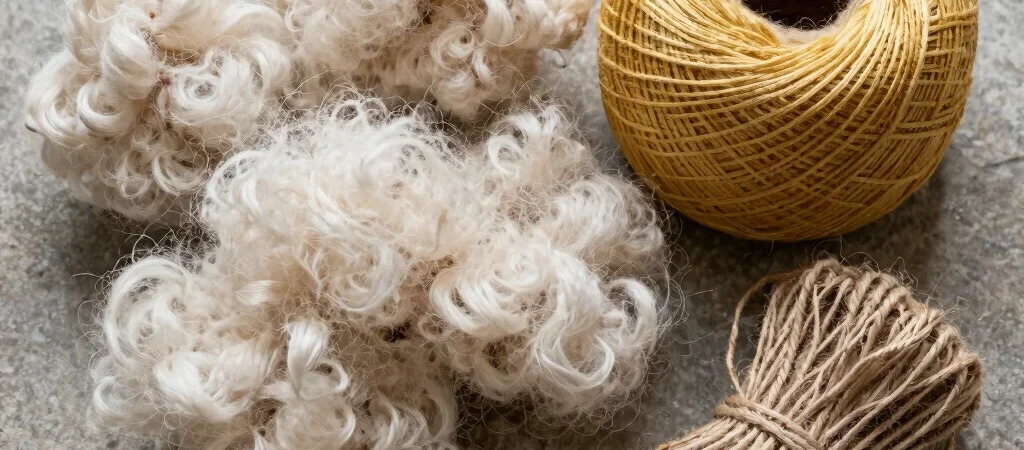
Carpet maintenance begins with understanding the raw material beneath the surface. Homeowners frequently ruin valuable floor coverings by applying generic carpet cleaners designed for synthetic polymers onto natural animal or plant fibers. Because protein fibers like wool and silk react fundamentally differently from cellulose bast fibers like jute, regular upkeep must align with the innate chemistry of each filament.
Preserving Protein Fibers in Wool and Silk
Wool fibers are protected by overlapping microscopic scales and an outer layer of natural wax that repels incidental water spills for several minutes. However, wool is sensitive to high alkalinity, which degrades its cellular structure and leaves yarn stiff and brittle. Silk presents an even greater challenge: wet silk fibers lose up to twenty percent of their tensile strength, making vigorous scrubbing disastrous for the pile.
The Moisture Vulnerability of Bast Fibers
Jute, sisal, and hemp are derived from plant stems and consist primarily of cellulose and lignin. Unlike wool, these vegetable fibers absorb liquid immediately, swelling and softening the yarn foundation. Excessive dampness triggers browning, where water carries dark lignin compounds to the surface as it evaporates, leaving permanent tide lines across flatwoven mats.
A Disciplined Approach to Routine Care
For weekly upkeep across all natural carpets, vacuum with suction only and disengage the motorized beater bar, which tears at natural pile tips. When spills occur, blot firmly with dry cotton towels without rubbing. For deep cleaning, partner with textile conservators who wash carpets on flat draining platforms using pH-balanced soaps formulated specifically for natural dye systems.