
Designs & Interior
How pattern, proportion, and room shape a rug
A rug's motif, its scale, and the dimensions of the room it sits in together determine how the floor reads. This section gathers the reference articles on carpet designs and patterns, sizes and dimensions, and the interior design principles that connect them.
Carpet Designs & Sizes
Motif weight and rug dimensions
Classical medallions, all-over herati lattices, and modern abrashed fields each carry a different visual weight. Dimensions decide the conversation perimeter, table clearance, and circulation margins around them.
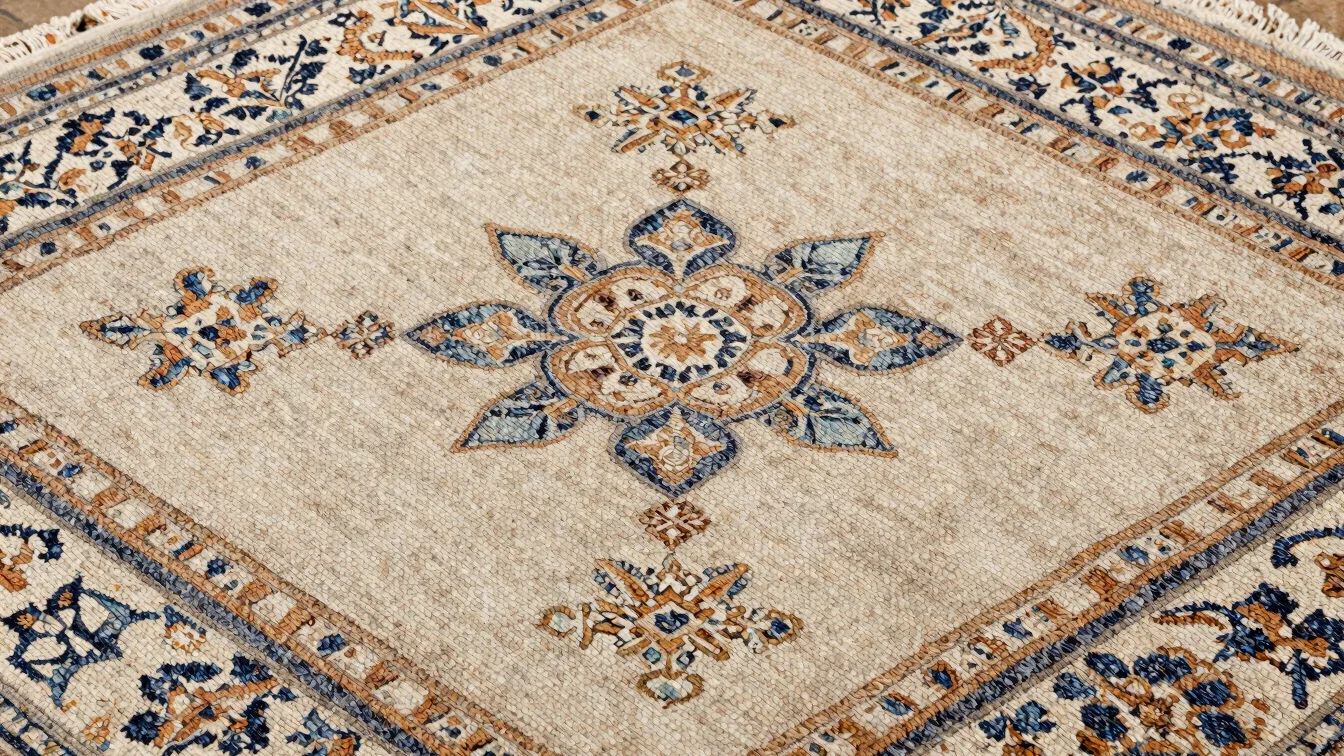
Classical and all-over motifs
Medallions anchor a room and draw the eye inward, while all-over herati lattices spread weight evenly across the floor.
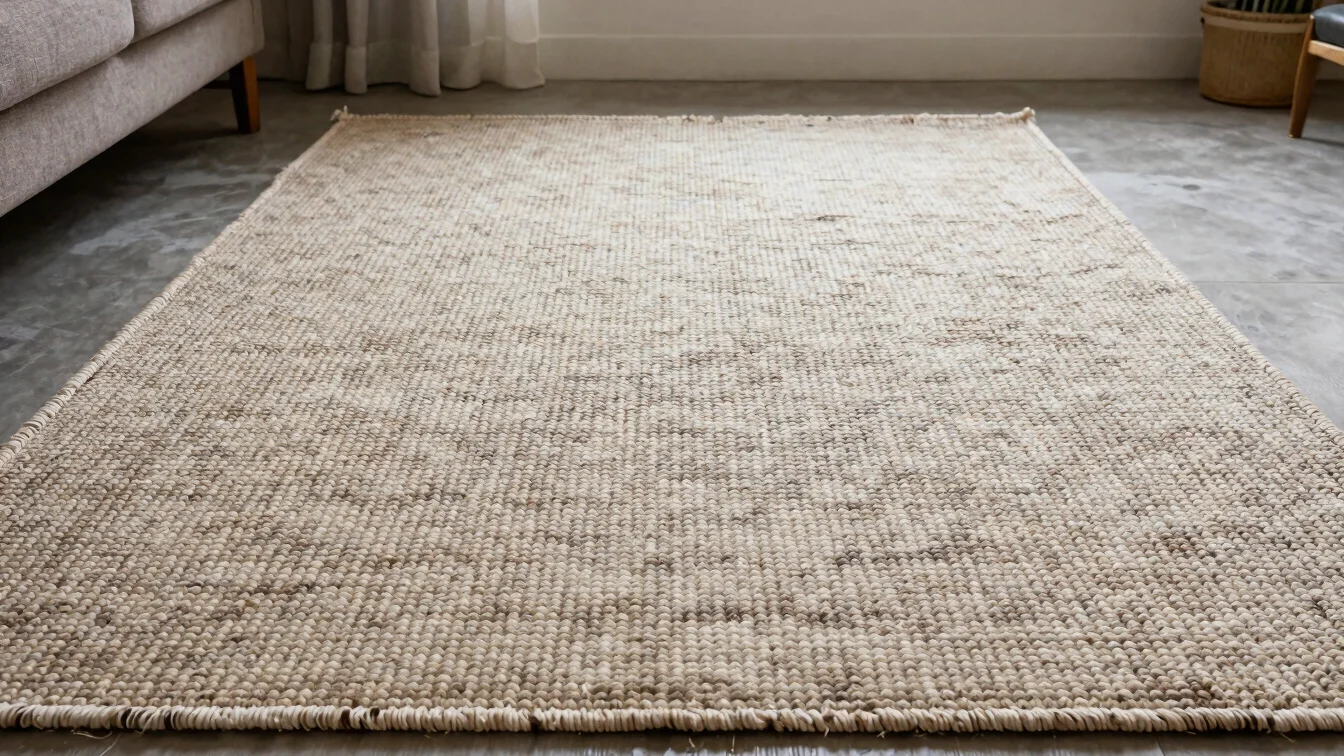
Carpet sizes and dimensions
Measuring the room and the furniture arrangement first clarifies which rug sizes sit correctly in front of seating and beds.
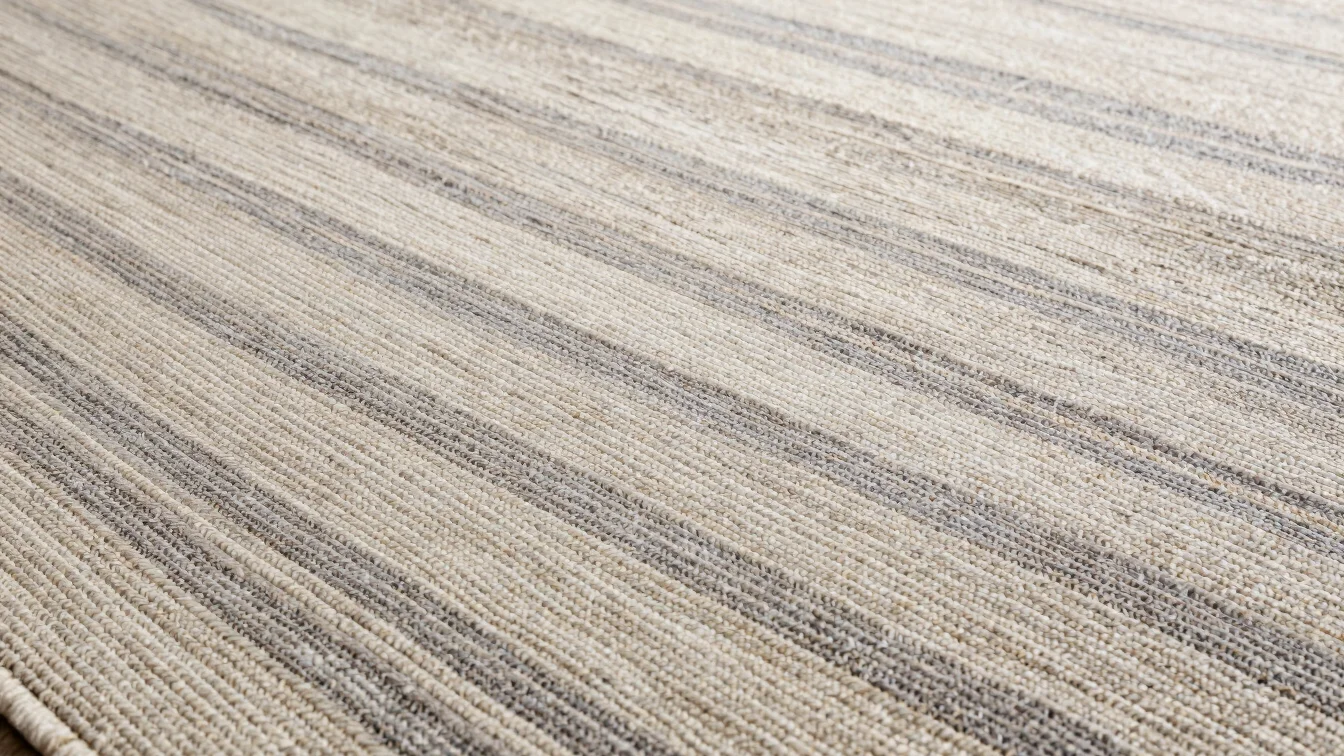
Modern abrashed fields
Subtle tonal shifts in the field create a quieter visual weight that suits contemporary rooms with minimal furnishing.
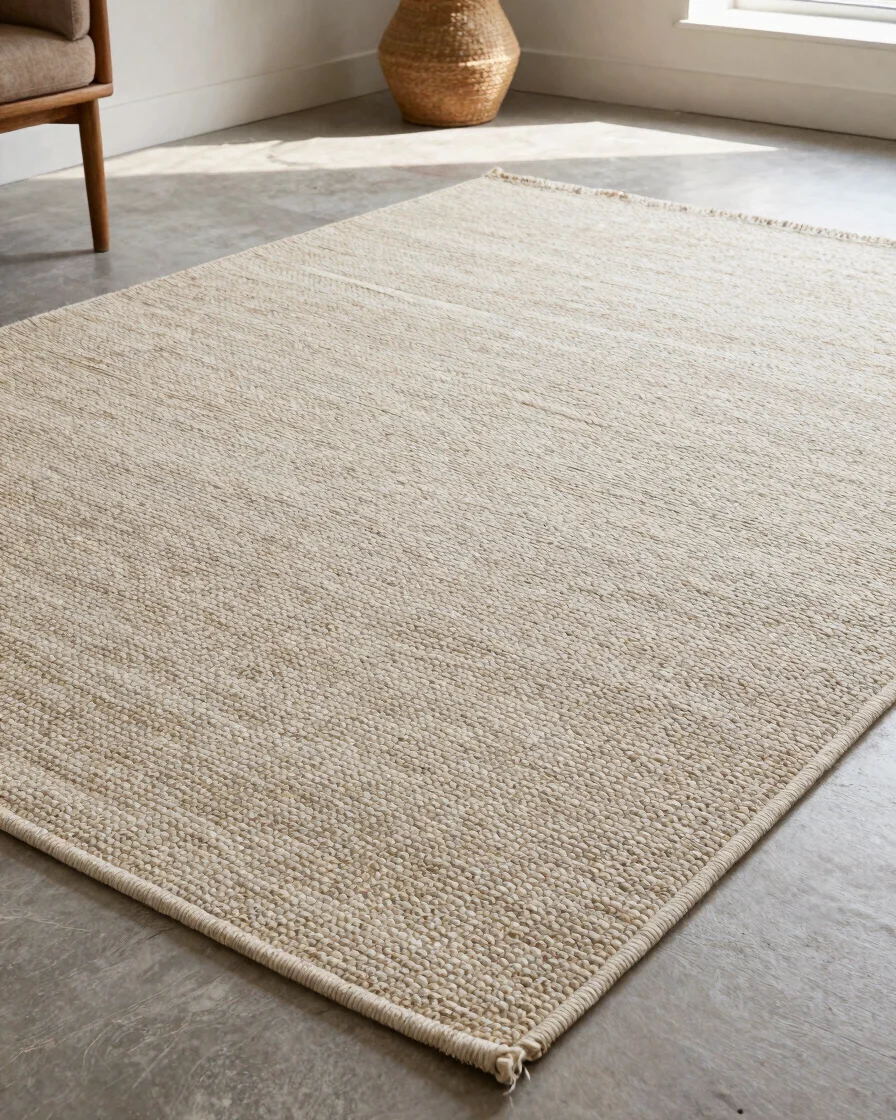
Carpet Interior Design
Lighting, scale, and surface acoustics
Textile selection balances tactile floor warmth with acoustic dampening in contemporary architecture. Pile height and density affect how sound settles in a room.
Lighting and scale work together: a rug's tones shift under daylight and lamplight, and its size should match the spatial rhythm of the room.