Technical teardowns
Carpet types, fibers, and construction
Fiber composition, weave structure, and knot style determine how a carpet wears, resists stains, and holds its shape. This section breaks down each variable so you can read a carpet's specification with confidence.
3
Core construction families
4
Primary fiber groups
2
Principal knot styles
Classification
Types of carpets and their fibers
Start with the category that matches the carpet's making, then read the fiber that determines its performance.
Construction
Hand-knotted, tufted, and flat-weave
Hand-knotted rugs carry dense pile and high load capacity, tufted carpets offer efficient production, and flat-weave kilims stay thin and reversible. Each structure responds differently to foot traffic and rolling.
Fibers
Wool, silk, jute, and synthetics
Wool recovers its shape and resists soiling, silk shows high luster with delicate handling needs, jute offers natural texture with limited moisture tolerance, and synthetics deliver stain resistance and consistent color.
Performance
Matching fiber to use
Compare fiber, construction, and intended room before choosing. A high-traffic hallway and a low-traffic bedroom ask different things of the same material.
Making and structure
From raw fiber to finished weave
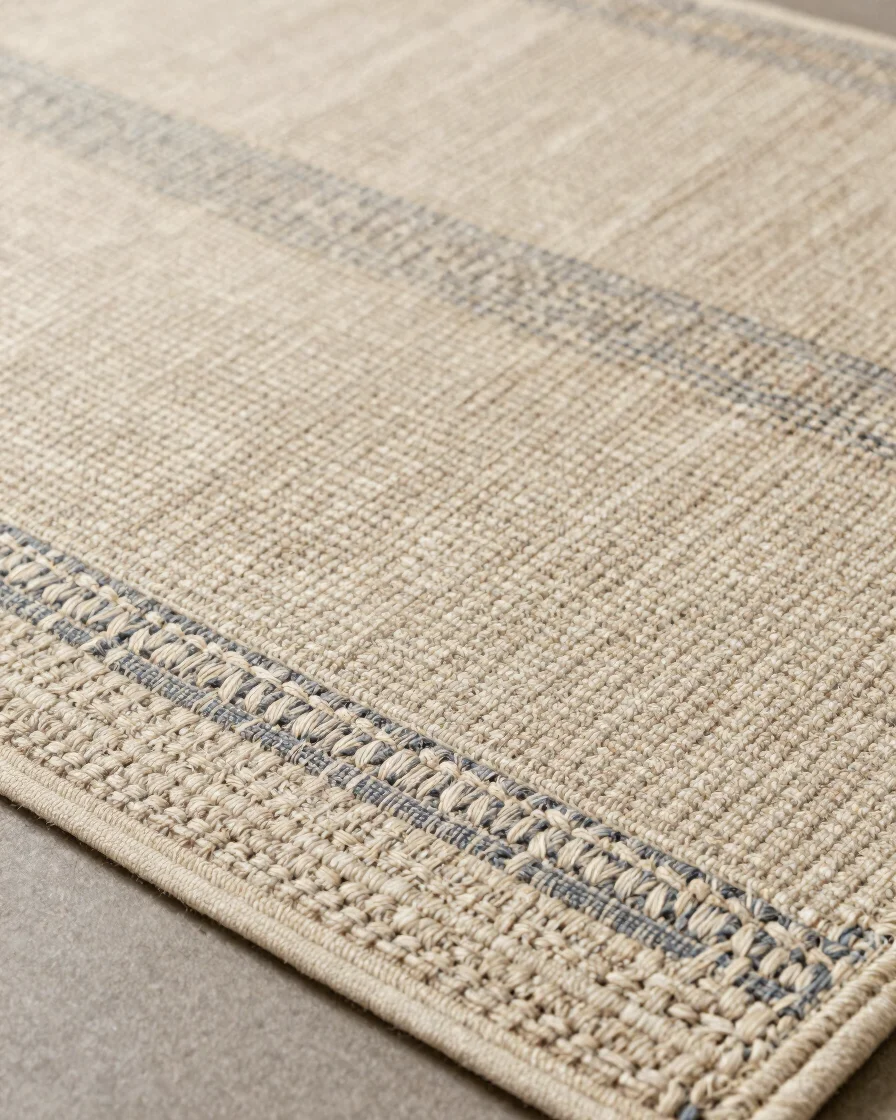
Manufacturing moves from spun yarn to knotting or tufting, and each step shapes the carpet's back texture and density. Weaving techniques such as symmetrical Ghiordes knots and asymmetrical Senneh knots define how tightly a pile is anchored.
Construction details like pile height, knot count, and backing reveal durability before any sample is laid on the floor. Reading these markers is the fastest way to evaluate a carpet's technical quality.